










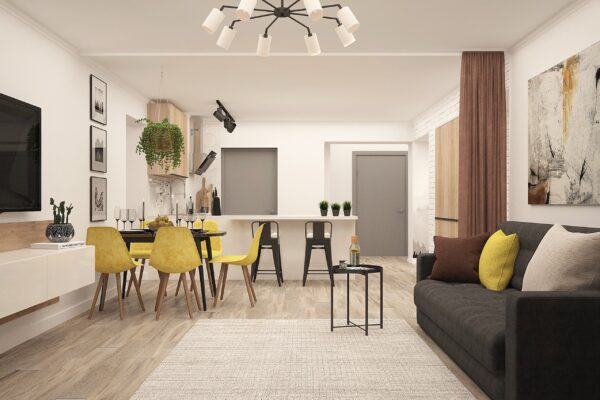
Less, But Better: What the Research Actually Says About Living Slower
Google searches for “slow living” grew by more than 250% globally in 2024, and the trend has held strong into 2026 — but the more interesting story isn’t that people are searching for it. It’s that researchers have started actually measuring what it does. A 2026 Springer Nature study found that minimalist, intentional living behavior…

The Invisible Co-Pilot: Which 2026 Car Safety Systems Actually Matter
Sit in a 2026 car and the dashboard lights up with icons most drivers don’t fully recognize yet. That’s not an accident of design — it reflects how fast advanced driver assistance systems have expanded in a single model year. These systems now use cameras, radar, and increasingly LiDAR to watch the road, help avoid…

Smart, Fast, Clean: The Three Technologies Rewriting What a Car Actually Is in 2026
For most of automotive history, “smarter,” “quicker,” and “greener” pulled in different directions — a faster car burned more fuel, a cleaner car sacrificed performance, and “smart” mostly meant a slightly better infotainment screen. That trade-off is breaking down in 2026. The same underlying technologies — AI, battery advances, and software-defined architecture — are now…

What “Phygital” Actually Means: Inside the Merge of Physical and Digital Experiences in 2026
Why the line between shopping online and shopping in-store has effectively disappeared, and what that shift means for brands and everyday consumers. A few years ago, “phygital” sounded like a buzzword invented for a conference slide. In 2026, it’s become close to an operational requirement for any retailer serious about staying relevant, and it’s quietly…

Bundle, Unbundle, Repeat: What’s Really Happening to the “Super App” in 2026
Tech companies keep swinging between all-in-one apps and single-purpose ones — and 2026 is adding a new force to that cycle: regulators. Depending on which headline you read this year, tech is either racing toward the all-powerful “super app” or watching its biggest platforms get forcibly pulled apart by regulators. Both are true, and that…

Business of One: A Realistic Guide to Running a Profitable Solo Business Without Burning Out (2026)
The systems, boundaries, and honest math behind solo businesses that actually last — built from what’s working for solopreneurs in 2026, not just what sounds motivational. Solopreneurship stopped being a fallback plan and became a real economic category. Recent research counted roughly 29.8 million solo business owners in the U.S. generating close to $1.7 trillion…

Build Once, Earn Repeatedly: A Realistic Side Hustle Stack for People Who Already Have a Full Life (2026)
How to build a genuinely profitable side project using AI leverage, without it quietly turning into a second full-time job. Most side hustle advice assumes you have ten free hours a week and endless motivation. In practice, the side hustles that actually last are the ones designed around limited time from the start — built…

What Clutter Actually Does to Your Brain, According to the Research
It’s tempting to write off “decluttering improves your mental health” as wellness-culture folk wisdom. The research doesn’t let you write it off that easily. A UCLA study on home environments found that clutter raises cortisol — the body’s primary stress hormone — by approximately 25% in the people living with it, and specifically found that…
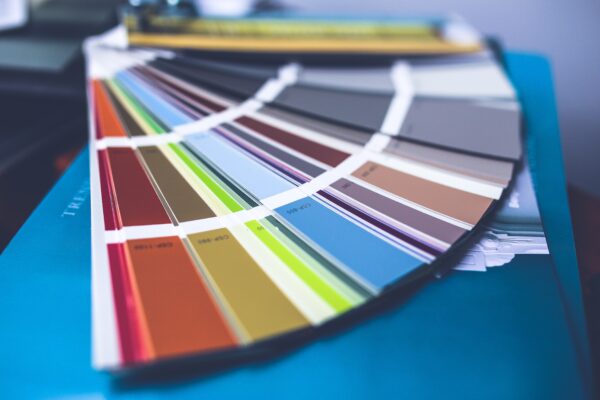
Go Bold Without Regret: A Fearless (But Careful) Guide to Color in Your Home for 2026
Why designers are moving past all-white rooms in 2026 — and exactly how to use saturated color without it overwhelming a space. For years, the safe answer to “what color should I paint this room” was some version of white or greige. That era is fading. In 1stDibs’ latest annual survey of hundreds of interior…
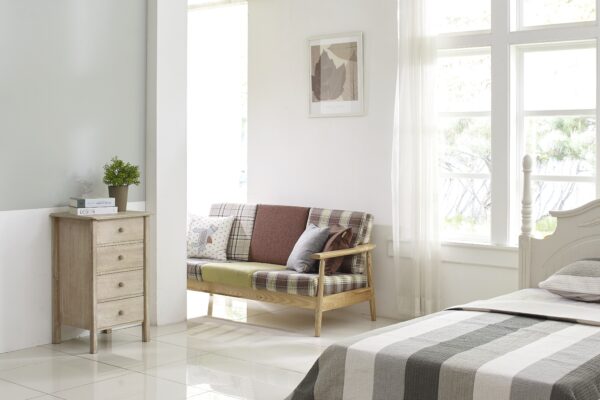
Wood, Metal, Stone: A Practical Guide to Mixing Materials Without It Looking Accidental
There’s a specific kind of room that feels effortlessly collected — wood, metal, and stone all present, none of them fighting for attention — and a specific kind of room that just feels like a pile of unrelated purchases. The difference almost never comes down to money. It comes down to a handful of rules…