For most of automotive history, “smarter,” “quicker,” and “greener” pulled in different directions — a faster car burned more fuel, a cleaner car sacrificed performance, and “smart” mostly meant a slightly better infotainment screen. That trade-off is breaking down in 2026. The same underlying technologies — AI, battery advances, and software-defined architecture — are now driving all three improvements simultaneously, in the same vehicles, often through the same components.
This is a look at how that convergence is actually happening under the hood, not just in the marketing copy, and which parts of it are genuinely reshaping the driving experience versus which are still mostly a talking point.
Smarter: AI Has Moved From the Infotainment Screen Into the Car’s Core Systems
By 2026, 45% of new cars will have AI-based predictive maintenance built in as a standard feature, not a premium add-on — a meaningful shift from AI being a novelty voice assistant to AI actively monitoring the vehicle’s own health and flagging problems before they become breakdowns. That shift reflects a broader pattern: automotive AI has moved from customer-facing convenience features into the vehicle’s actual operating systems.
Predictive safety, not just reactive safety
Safety systems in 2026 increasingly incorporate AI-driven predictive collision avoidance and driver monitoring that can detect fatigue before it becomes dangerous, layered on top of more familiar features like automatic emergency braking with pedestrian detection, AI-predicted blind-spot monitoring, and 360-degree cameras with night vision sensors for improved visibility in low light.
The car as a connected, learning system
Modern vehicles increasingly function as nodes in a larger digital ecosystem: real-time road and traffic updates, remote monitoring through smartphone apps, predictive maintenance alerts, and seamless integration with digital assistants and smart home devices. This connectivity is what actually enables predictive maintenance to work in practice — the car needs constant data flow to spot patterns a human driver would never notice on their own.
Software-defined vehicles: the car that keeps improving after you buy it
Perhaps the most structurally significant shift is that modern automotive technology is now grounded in software-defined vehicles — cars where core functionality is defined and updated through software rather than fixed permanently at the factory. Over-the-air updates increasingly do more than patch bugs or improve infotainment; they can refine motor torque delivery or improve regenerative braking efficiency while the car sits parked overnight, meaning a vehicle’s underlying performance and efficiency can genuinely improve months or years after purchase.
Quicker: Speed Is Increasingly a Software and Battery Story, Not Just an Engine One
“Quicker” in 2026 doesn’t only mean a faster 0-to-60 time — it increasingly means quicker charging, quicker software-driven performance gains, and quicker real-world responsiveness through AI-optimized systems. Battery management systems now handle real-time energy management with genuinely smarter, more efficient distribution than earlier generations, including real-time battery health monitoring, power distribution optimization, and improved thermal control — all of which directly affect how quickly and reliably power actually reaches the wheels.
Regenerative braking optimization is a quiet but real performance gain
Advances in regenerative braking optimization aren’t just an efficiency story — they directly affect how a car feels to drive, recapturing energy more effectively during deceleration while maintaining smoother, more predictable braking feel. This is one of the clearest examples of the smarter-quicker-greener convergence: the same system improvement delivers better efficiency and a genuinely better driving experience simultaneously.
Faster charging is closing the gap with a gas station stop
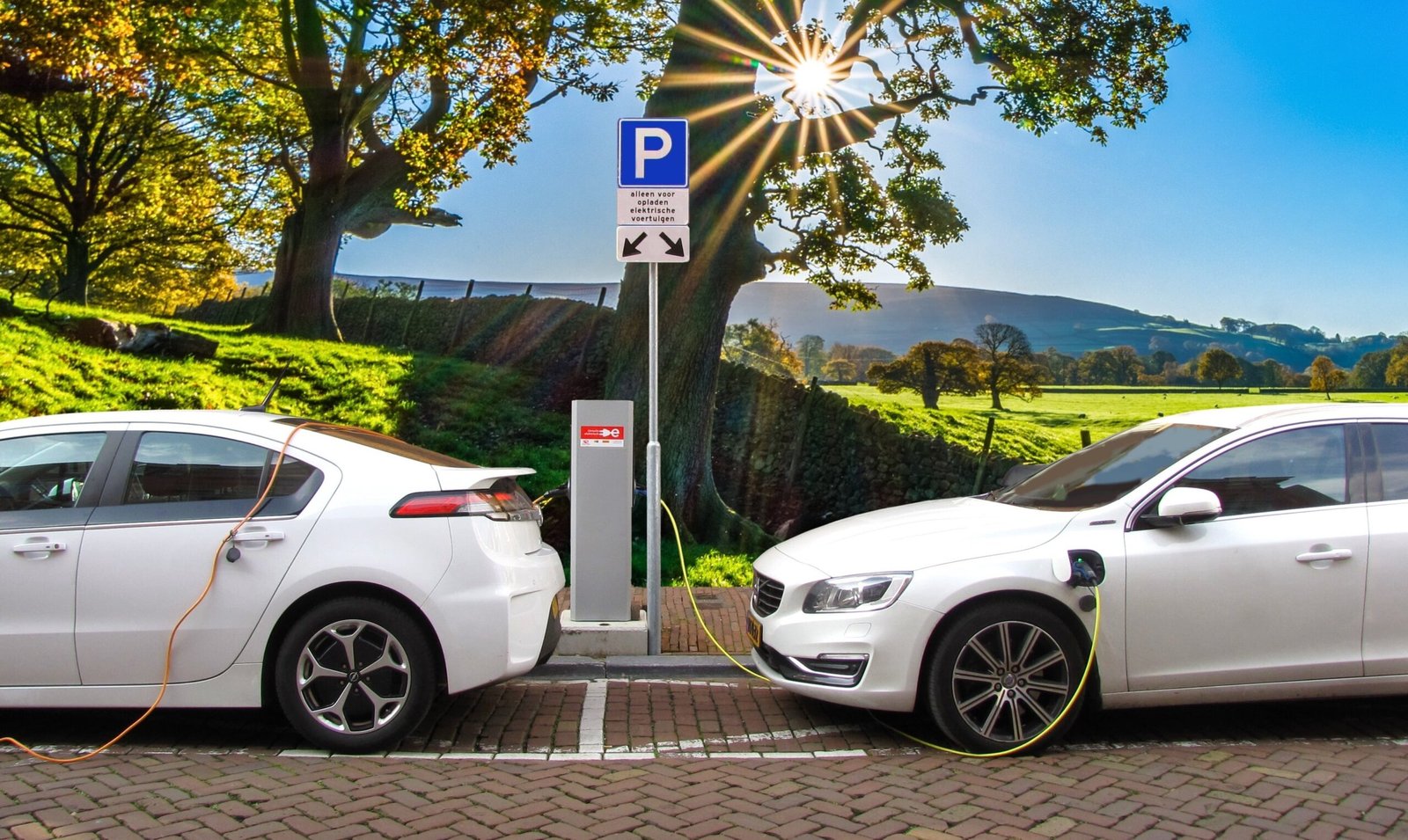
On the EV side specifically, more rapid charging technology paired with better battery energy density means less time spent waiting and more time actually driving — a practical, felt form of “quicker” that matters more to daily ownership than any acceleration figure. State-of-the-art battery management systems are what make consistently fast charging possible without accelerating battery degradation, tying this directly back to the smarter systems described above.
Greener: Electrification Is the Foundation, But Not the Whole Story
Electric vehicles remain the clearest driver of the green shift, becoming increasingly popular as battery performance, charging infrastructure, and energy efficiency continue to improve. But the greener story in 2026 extends meaningfully beyond just swapping an engine for a battery pack.
Efficiency gains compound across every system, not just the powertrain
Better battery energy density, more rapid charging technology, and optimized regenerative braking are collectively making electric cars more viable, less expensive to run, and more consumer-friendly — not through one breakthrough, but through steady, compounding improvement across multiple systems working together.
The AI layer is doing real environmental work too
It’s easy to think of AI in cars purely as a convenience or safety feature, but predictive maintenance, optimized power distribution, and smarter energy management collectively reduce waste, extend component life, and lower a vehicle’s overall environmental footprint — decreasing greenhouse gas emissions while also lowering fuel and maintenance costs for drivers. The green benefit here isn’t limited to EVs specifically; smarter systems improve efficiency in hybrid and even conventional vehicles too.
Connectivity supports greener driving at a systems level
Connected vehicles increasingly feed into and benefit from smart city infrastructure and adaptive transportation systems, where real-time data can support more efficient traffic flow and reduced idling — a greener outcome that happens at the infrastructure level rather than inside any single vehicle’s engine bay.
Where This Convergence Actually Shows Up in a 2026 Car
- A predictive maintenance alert that flags a developing brake issue before it becomes a costly repair — combining AI (smarter) with reduced part waste and downtime (greener).
- An over-the-air update that improves regenerative braking efficiency overnight — combining software-defined architecture (smarter) with both quicker charging recovery and lower energy waste (quicker and greener simultaneously).
- Real-time battery thermal management extending both charging speed and battery lifespan — directly linking quicker performance to reduced long-term environmental impact from battery replacement.
- AI-driven driver monitoring reducing fatigue-related incidents — a safety-first feature that also indirectly supports smoother, more efficient driving patterns.
What’s Still More Talking Point Than Reality
It’s worth being honest about where the marketing outpaces the actual experience. Fully autonomous, eyes-off Level 3 driving remains limited to specific conditions and regions rather than being broadly available, despite how confidently some manufacturers market “AI-powered driving eras.” Solid-state batteries, while genuinely progressing toward production, are still reaching only a portion of the market in 2026 rather than being the universal standard implied by some coverage. And while connected, software-defined vehicles are a real and growing category, the actual depth of over-the-air functionality still varies enormously between manufacturers — a feature list on a spec sheet doesn’t guarantee the software experience matches it in practice.
What Should You Actually Do With This?
If you’re shopping for a new car and these three qualities matter to you, look specifically at how deeply integrated the AI, battery, and software systems actually are, rather than treating them as three separate checkboxes — the real value in 2026 vehicles comes from how well these systems work together, not from any single standout feature. Ask directly what a manufacturer’s over-the-air update history actually includes, since “software-defined” varies enormously between a company that ships meaningful performance improvements and one that only patches infotainment bugs. And don’t assume greener automatically means slower or less capable anymore — regenerative braking optimization and smarter energy management mean efficiency and performance are increasingly the same engineering problem, not competing priorities.
Frequently Asked Questions
Is AI-based predictive maintenance actually reliable in 2026 cars?
It’s genuinely mainstream at this point — an estimated 45% of new cars in 2026 include AI-based predictive maintenance as a standard feature, not an experimental add-on, reflecting real confidence in the underlying technology from manufacturers across the industry.
How can a car be both quicker and greener at the same time?
Through shared underlying systems rather than separate trade-offs — regenerative braking optimization, for example, simultaneously recaptures more energy (greener) and improves brake response and driving feel (quicker), because both outcomes stem from the same improved system rather than competing engineering priorities.
What does “software-defined vehicle” actually mean in practice?
It means core vehicle functionality — from infotainment to, increasingly, powertrain and braking performance — is defined and updated through software rather than being permanently fixed at the factory. In practice, this allows over-the-air updates to genuinely improve a car’s performance or efficiency after purchase, not just fix bugs.
Are these smart, quick, and green technologies only available in expensive luxury cars?
No — smart car features, including AI-powered driver assistance and predictive maintenance, are increasingly common in both luxury and budget-friendly vehicles in 2026, though the depth and sophistication of these systems still generally scales with price point.
Is full self-driving actually part of this smarter-quicker-greener trend?
Partially, but it’s important to separate the two. Semi-autonomous driver assistance features are genuinely widespread and improving safety and convenience in 2026, but true eyes-off Level 3 autonomous driving remains limited to specific regions and conditions rather than being broadly available, despite how it’s sometimes marketed.
The Bottom Line
The old trade-off between smart, quick, and green is dissolving because all three increasingly come from the same source: AI systems that predict and optimize, batteries that charge faster and last longer, and software architecture that keeps improving a car long after it leaves the factory. This isn’t three separate innovation stories happening to occur in the same model year — it’s one underlying shift in how cars are engineered, where a smarter system is very often also the quicker and greener one. The car of 2026 isn’t defined by a single standout feature. It’s defined by how well its smartest, fastest, and cleanest systems are learning to work as one.