Hygge got the candles and blankets. The real story behind why Nordic countries keep topping the world happiness rankings involves four other words most people have never heard of.
Hygge became a global phenomenon on the back of candles, wool blankets, and cozy nights in — and while that’s a real part of Danish life, it’s also only a fraction of why Nordic countries keep sitting at the top of the World Happiness Report. In the most recent rankings, Finland, Iceland, and Denmark held the top three spots again, with Finland’s average life-satisfaction score coming in at 7.8 out of 10. The fuller explanation isn’t one cozy word — it’s a set of everyday practices, several of them barely known outside the region, that work together in ways a candle alone never could.
Why Hygge Became the Story — And Why It’s Incomplete
Hygge (Danish, roughly pronounced “hoo-ga”) is often described as intentional coziness and togetherness — small, deliberate moments like lighting a candle or sharing a warm drink that shift the atmosphere of daily life. According to the researcher most associated with popularizing the concept, hygge is genuinely about atmosphere and connection rather than objects — a feeling of safety, of being shielded from the world with people you trust.
That’s a real and valuable practice. But it exploded globally in a way that stripped it down to its most marketable layer — candles and blankets — while leaving out the four or five other Nordic concepts that, taken together, do more to explain the region’s consistently high wellbeing scores than coziness alone.
1. Friluftsliv — Outdoor Life as a Baseline, Not a Hobby
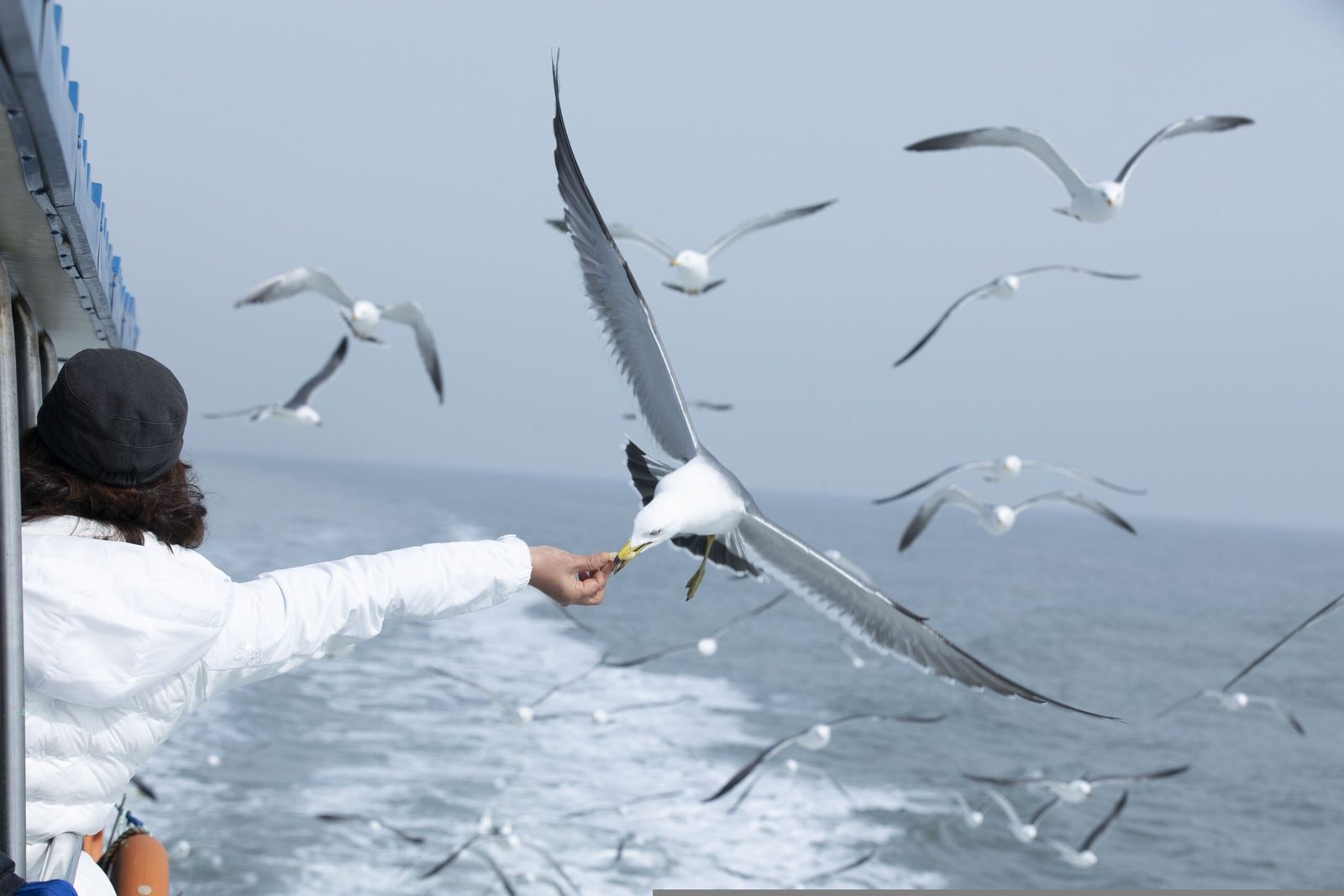
Friluftsliv (Norwegian, meaning roughly “open-air living”) reflects a belief that time outdoors is essential to wellbeing — not framed as exercise, self-improvement, or a performance, but simply as a normal part of daily life, regardless of weather. This distinction matters: in many cultures, going outside requires a plan, an outfit, and good weather. In Nordic countries, being outside — cold, rain, or shine — is treated as a baseline activity, not a special occasion.
- Time in natural environments has been shown to reduce cortisol levels, improve mood, and restore attention, with effects noticeable even after short periods outdoors.
- These benefits build with regular exposure, which is precisely why friluftsliv works as a wellbeing practice — its power comes from consistency, not intensity.
- Unlike a workout or hike that requires motivation, friluftsliv treats being outside as something you simply do, removing the psychological barrier of having to decide to prioritize it each time.
2. Lagom — Deliberate “Just Right,” Not Minimalism
Lagom (Swedish) roughly translates to “just the right amount” — but it’s frequently misunderstood as a minimalist lifestyle trend. It’s better described as a philosophy of balance and moderation: appreciating and being content with what you already have, rather than either excess or deliberate deprivation.
- In food, lagom means enough, not too much and not too little — a rejection of both scarcity and overindulgence.
- In work, lagom underlies the Nordic emphasis on sustainable hours over constant overwork — working enough to do good work, not working to exhaustion to prove commitment.
- In relationships and time, lagom means giving appropriate, balanced attention rather than either neglect or overextension.
Where hygge is about a mood in a specific moment, lagom is closer to an ongoing standard applied across an entire life — which is arguably why it has a broader, quieter influence on Nordic wellbeing than the more visible, photogenic hygge.
3. Fika — Structured, Protected Social Pause
Fika (Swedish) is a dedicated coffee-and-conversation break, and while it sounds like a simple habit, it encodes something more structural: a deep, culturally protected respect for regular human connection and rhythm, built into the working day rather than squeezed around it.
- Fika is typically a scheduled, expected part of a workday — not an occasional treat, but a routine social pause most people participate in.
- The structure matters as much as the content — having a protected, recurring moment for connection reduces the mental negotiation of “should I take a break right now” that erodes rest in many other work cultures.
- Because it’s shared and social by design, fika combines two wellbeing factors — rest and connection — into a single, repeatable daily habit.
4. Dugnadsånd — Collective Contribution as Identity
Dugnadsånd (Norwegian, roughly “spirit of communal work”) refers to a cultural expectation of voluntarily contributing to shared community efforts — from neighborhood cleanups to school events — not as an obligation imposed from outside, but as an internalized part of civic identity.
- This concept connects individual wellbeing to a sense of belonging and contribution, rather than treating happiness as a purely private, individual pursuit.
- Regular participation in community-level cooperative activity is associated with stronger social trust, which correlates closely with the high-trust societies that consistently score well in happiness research.
- Dugnadsånd is a useful counterweight to lagom and hygge, both of which can sound inward-focused — it reflects the outward, community-oriented side of the same underlying value system.
5. Structural Support — The Part That Isn’t a Lifestyle Word at All
It’s worth being honest about something most “Nordic secrets” content leaves out: individual lifestyle habits alone don’t fully explain Nordic wellbeing rankings. Nordic countries also rank consistently highly in OECD comparisons on work hours, family support, and job satisfaction, underpinned by policy structures — generous parental leave, flexible schedules, and strong worker protections — that are treated as investments in long-term productivity and stability, not optional perks.
This matters because it reframes the takeaway: friluftsliv, lagom, and fika are genuinely valuable personal practices you can adopt anywhere, but they’re easier to sustain inside a system that already protects time for rest, family, and community. Adopting the habits without any of the structural support is still worthwhile — it just explains why the effect may feel smaller outside the systems that originated them.
You don’t need to move to Stockholm to test this. Pick one concept — a daily outdoor walk regardless of weather, a protected coffee break with no work talk, or one “just enough” adjustment to a habit you tend to overdo — and try it consistently for two weeks.
How to Actually Apply These Concepts Outside Scandinavia
- Start with friluftsliv — it requires no special equipment or plan, only a habit of going outside regardless of conditions.
- Apply lagom to one specific area (food portions, screen time, work hours) rather than trying to apply “balance” to your whole life at once.
- Build a fika-style protected break into your week — a recurring, scheduled pause for connection, not an occasional treat you have to talk yourself into.
- Look for one small dugnadsånd-style contribution to a shared community effort — even something modest builds the same sense of belonging the concept describes.
- Use hygge for what it’s actually good at — creating a specific mood of safety and connection in a moment — rather than expecting candles alone to carry the whole picture.
Want a simple weekly planner built around these five Nordic concepts? Subscribe below and we’ll send it to your inbox.
Frequently Asked Questions
Is hygge actually the main reason Nordic countries are so happy?
Not on its own. Hygge is a real and meaningful part of Danish culture, but Nordic wellbeing rankings are better explained by a combination of practices — friluftsliv (outdoor life), lagom (balance), fika (protected social connection), and dugnadsånd (community contribution) — alongside structural factors like strong worker protections and generous family policy.
What does friluftsliv mean and how is it different from just “going outside”?
Friluftsliv translates roughly to “open-air living” and reflects treating time outdoors as an essential, routine part of daily life rather than a special activity requiring good weather or a specific plan. The difference is largely psychological — friluftsliv removes the decision-making friction of “should I go outside today,” making the habit far easier to sustain consistently.
Is lagom the same thing as minimalism?
No, this is a common misconception. Lagom is about appreciating and being content with an appropriate amount — not too much and not too little — rather than deliberately owning or consuming as little as possible, which is closer to how minimalism is usually defined.
Can these Nordic wellbeing concepts work without the social support systems Nordic countries have?
Individual practices like friluftsliv, lagom, and fika can genuinely be adopted anywhere and offer real benefits on their own. However, it’s worth acknowledging that Nordic countries also benefit from structural supports — strong worker protections, generous parental leave, and flexible schedules — that make these habits easier to sustain consistently than they might be without similar support elsewhere.
What is dugnadsånd and why isn’t it as well known as hygge?
Dugnadsånd is a Norwegian concept describing a cultural expectation of voluntary, collective community contribution. It’s less well known outside Scandinavia largely because it doesn’t translate into a consumer product or aesthetic the way hygge’s candles and blankets did — but it’s considered a significant contributor to the social trust that correlates strongly with high wellbeing rankings.
The real Nordic blueprint for wellbeing was never just about coziness — it’s a set of everyday practices, from time outdoors to protected social rhythm to community contribution, reinforced by policies that make those practices easier to sustain. Hygge is a good starting point. It was just never meant to be the whole story.