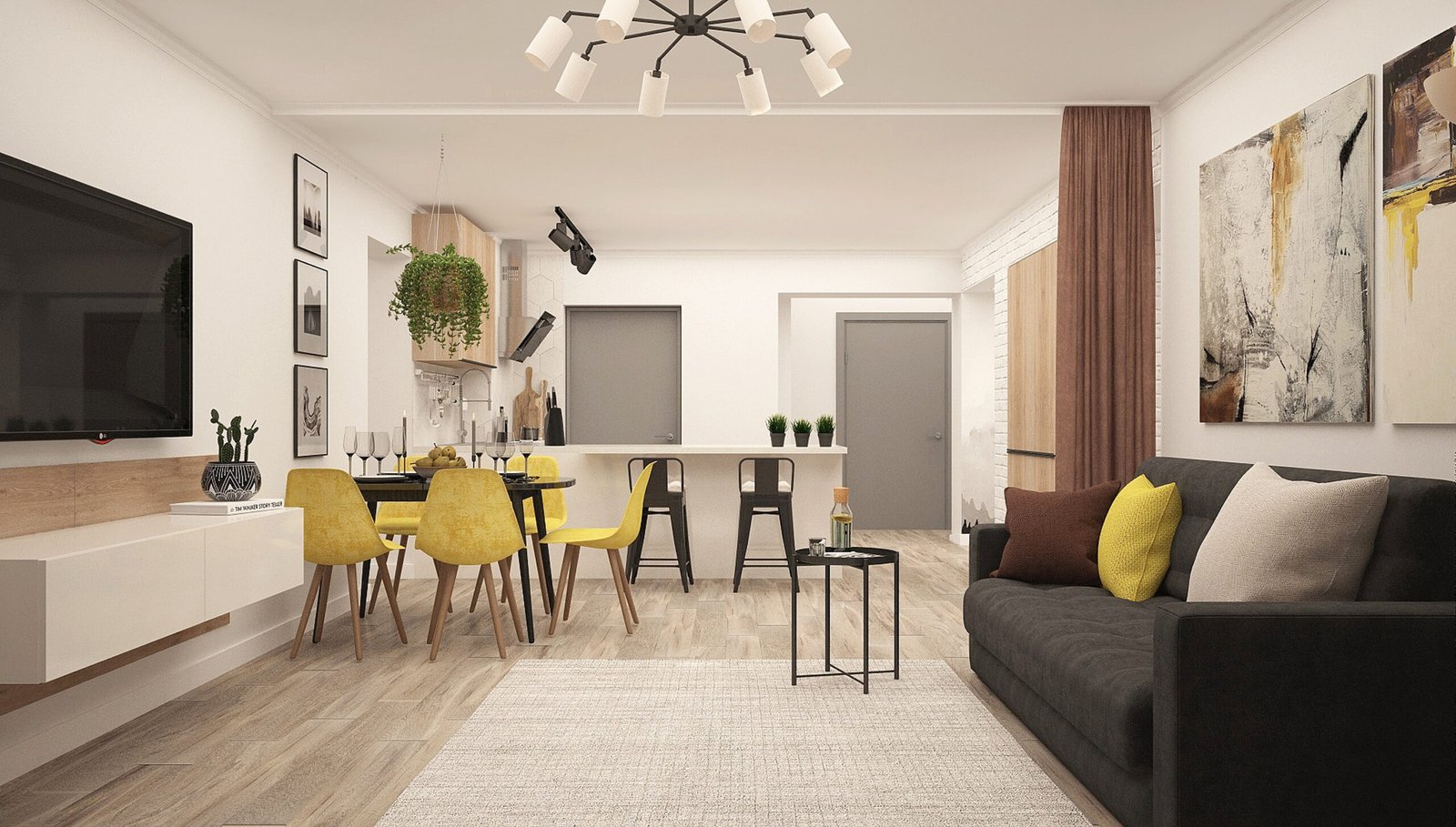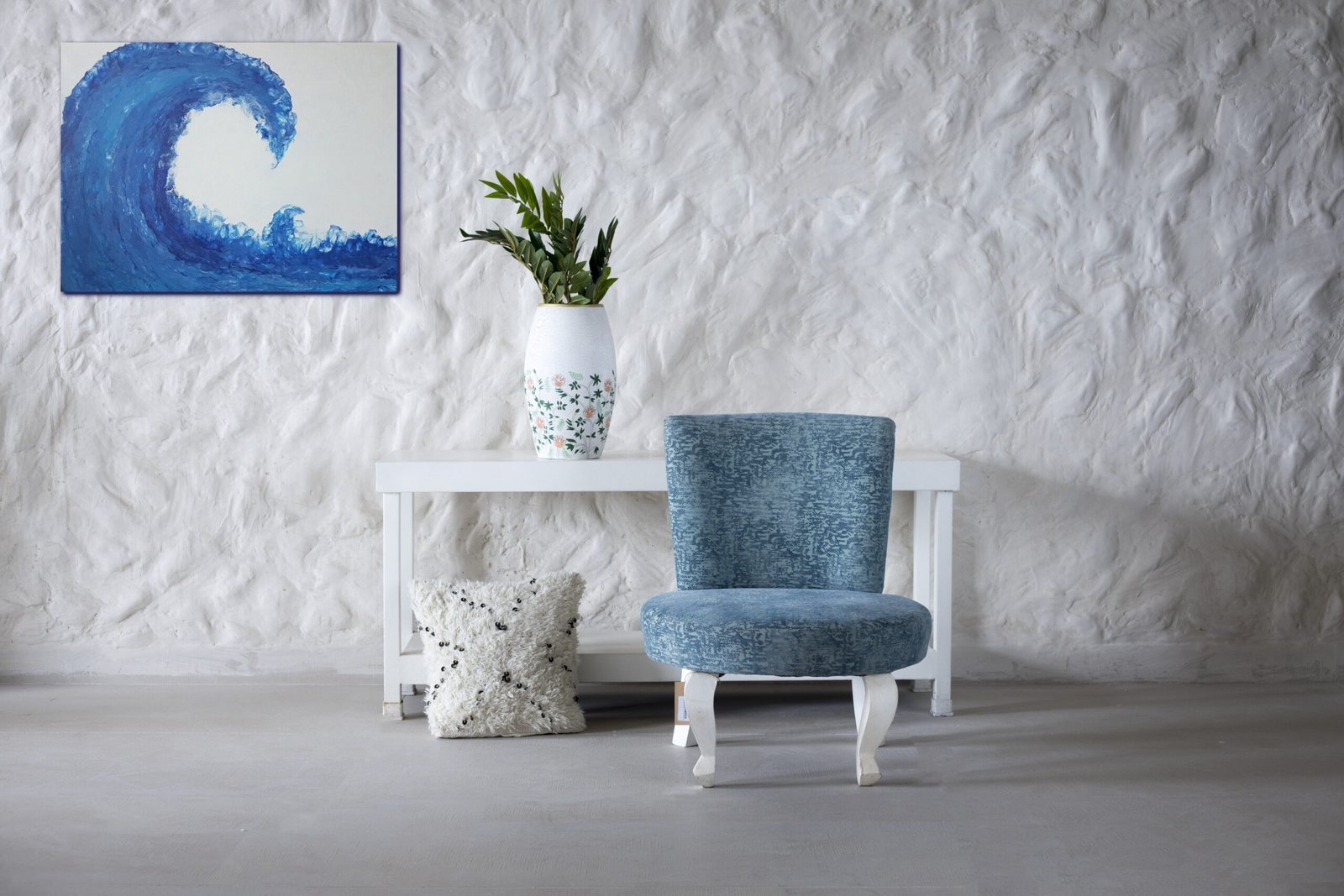
Why designers are moving away from photogenic, showroom-perfect spaces toward homes built around real, unhurried daily life.
For years, a well-designed home meant a photogenic one — every surface staged, every corner camera-ready. Designers heading into 2026 are describing a real shift away from that: homes meant to be lived in, not just looked at, where perfection matters less than how a space actually makes the people in it feel. An unhurried home isn’t about a specific style — it’s about designing rooms that move at the pace of your actual life, instead of the pace of an Instagram feed.
Why “Unhurried” Is Replacing “Perfect” in Home Design
A few converging shifts are behind this move away from showroom-style design toward something more livable:
- Designers increasingly describe their approach as “soul over symmetry” — design that’s slowing down and returning to comfort and craftsmanship rather than staged perfection.
- Wellness is becoming a standard expectation throughout an entire home, not a single spa-style bathroom — cozy corners for mindfulness and layouts that support mental and physical health are now baseline design considerations.
- “Livable luxury” is a recurring theme among designers pushing back against homes designed purely for how they photograph, prioritizing spaces families can actually use without precious, untouchable perfection.
- “Analog rooms” — spaces intentionally designed without devices, to support family connection and unplugged time — are appearing in more home design conversations as a direct response to constant digital stimulation.
1. Build a Slower Entry Ritual Into Your Home’s Layout
The first few minutes after walking through the door set the tone for how a home feels to live in, but most entryways are designed purely for function — shoes, keys, mail — with no room for a pause. A few small changes turn an entryway into a genuine decompression point rather than a pass-through.
- A single comfortable place to sit while removing shoes signals “slow down” the moment you walk in, rather than rushing straight through.
- Soft, warm lighting at the entry (rather than a single bright overhead fixture) shifts the mood immediately on arrival.
- Keep the entry visually calm — a defined spot for keys, mail, and bags prevents this transition zone from becoming a cluttered catch-all.
2. Dedicate at Least One Space to Doing Nothing
Reading nooks are one of the clearest expressions of the unhurried home trend for 2026 — cozy, inviting corners with plush seating and layered lighting, designed specifically to support quiet, unstructured time rather than another productive task.
- A reading nook doesn’t need a dedicated room — a window seat, an underused corner, or a single comfortable chair with good lighting is enough.
- Layer the lighting specifically for this spot: a warm-toned lamp rather than the room’s main overhead light, so the space feels distinct from the rest of the room.
- Keep the nook free of a desk, screen, or task-oriented furniture — its entire purpose is to be the one spot in the home with nothing expected of you.
3. Create One Analog Space Free of Screens
Some designers are now deliberately building “analog rooms” into new homes — spaces where devices are set aside in favor of direct family connection. You don’t need a full renovation to borrow the idea; even a single, clearly defined screen-free zone works.
- Choose one room or corner — a dining nook, a den, a porch — and set an informal household norm that it’s phone-free.
- Stock the space with something that invites a different kind of attention: books, a puzzle, art supplies, board games.
- Keep a visible charging station elsewhere in the home, so the analog space doesn’t require a device at all, even briefly.
4. Choose Natural Materials That Age Instead of Wearing Out
Warm minimalism — clean lines paired with inviting, natural textures — is one of the defined styles shaping 2026 interiors, and it pairs directly with the unhurried home concept: natural materials like wood, stone, and linen age and develop character over time rather than looking simply “worn.” This supports a slower relationship with your home, where objects are meant to last and improve rather than be replaced on a trend cycle.
- Favor solid wood, natural stone, and linen or cotton textiles over synthetic materials that show wear rather than developing character.
- Quiet luxury as a broader design approach favors fewer, better pieces chosen for craftsmanship — restraint, not accumulation, is the goal.
- A home built from durable, natural materials also requires less frequent replacement and updating, which reduces the low-grade stress of a home that always feels slightly behind on “needing” something new.
5. Let Function Follow Real Life, Not a Show-Home Template
Designers increasingly emphasize that a home should tell the story of the people who actually live there, rather than pursuing a photogenic ideal at the expense of daily usability. This is especially visible in multigenerational and flexible-use spaces — rooms designed to shift function as life changes, rather than locking a home into a single, rigid layout.
- A room that can genuinely serve two purposes (a playroom that becomes a sitting room, a guest room that doubles as a home office) supports how families actually use space over time.
- Purposeful technology — features that solve a real daily problem rather than existing purely as a showpiece — reflects the same underlying value: design that serves how people actually live, not just how a space photographs.
- Resist designing a room around a single “perfect” staged moment; design it instead around the ordinary, repeated moments that will actually happen there.
You don’t need a renovation to start. Pick one existing space in your home — a corner, a chair, an entry table — and adjust it this week to support slowing down, rather than adding anything new.
A Simple Room-by-Room Starting Point
- Entry — add a place to sit and softer lighting to signal a slower transition into the home.
- Living room — carve out one nook, even a single chair, dedicated purely to unstructured downtime.
- Dining or family space — consider making this your analog, screen-free zone.
- Bedroom — favor natural, textured materials over synthetic finishes to support a calmer, slower-aging space.
Want our free room-by-room unhurried home checklist? Subscribe below and we’ll send it to your inbox.
Frequently Asked Questions
What does “unhurried home” design actually mean?
It describes designing a home around how people genuinely live day to day — rest, connection, unstructured time — rather than designing purely for how a space photographs or performs as a showpiece. It’s closely related to broader 2026 design trends like livable luxury, wellness-throughout-the-home, and warm minimalism.
Do I need to renovate my home to create an unhurried feel?
No. Many of the changes are small and additive — a comfortable seat by the entry, one reading nook, warmer lighting in a single corner, or designating one existing room as screen-free. A full renovation isn’t required to shift how a space feels to live in.
What is a reading nook and why is it trending in 2026?
A reading nook is a small, cozy, dedicated spot — often with plush seating and layered lighting — set aside specifically for quiet, unstructured time. It’s trending because it reflects a broader shift toward wellness-supportive design throughout the home, not just in a single designated relaxation room.
What are “analog rooms” in home design?
Analog rooms are spaces intentionally designed without devices or screens, meant to support direct family connection and unplugged time. Some designers are now building these into new home layouts as a deliberate response to constant digital stimulation, though the same idea can be applied to a single room or corner in an existing home.
Is warm minimalism the same thing as an unhurried home?
They’re closely related but not identical. Warm minimalism refers specifically to a design style — clean lines paired with natural, inviting materials and textures. An unhurried home is a broader concept about how a space functions and feels day to day; warm minimalism is one common design language used to support that feeling, but not the only one.
An unhurried home isn’t defined by a specific style or a full renovation — it’s defined by whether the space actually supports how you live, day after day, rather than how it looks in a single staged photo. Start with one corner, one material choice, or one screen-free hour, and let the rest of the home follow at its own pace.