There’s a specific kind of room that feels effortlessly collected — wood, metal, and stone all present, none of them fighting for attention — and a specific kind of room that just feels like a pile of unrelated purchases. The difference almost never comes down to money. It comes down to a handful of rules designers apply instinctively and everyone else usually has to learn. In 2026 specifically, this has become the defining interior design conversation: homeowners are moving away from loud finishes and quick trends toward materials that feel real, age well, and genuinely work together.
This is a practical breakdown of those rules — not a mood board, but the actual mechanics of why certain material combinations read as intentional and others read as chaotic.
Start With One Lead Material, Not an Equal Split
The single most useful principle for mixing stone, wood, and metal is choosing one lead material, then matching scale and coordinating warm and cool tones around it — not trying to give all three equal visual weight in the same space. A room built around a dominant material with the other two in supporting roles reads as considered; a room where wood, metal, and stone all compete for attention in roughly equal measure tends to read as cluttered, regardless of how nice each individual piece is.
In practice, this usually means picking the material that’s already structurally dominant — a stone accent wall, a large wood dining table, a metal-framed staircase — and letting the other two materials appear in smaller, secondary doses: hardware, trim, a side table, a light fixture, rather than as equally large surface areas.
Wood: Warmth as the Connective Tissue
Wood is doing the emotional work in a mixed-material room — it’s what makes stone and metal feel warm rather than cold and clinical. In 2026 specifically, light and mid-tone woods are especially popular for floors, furniture, and wall panels, and the current guidance is explicit: mix wood with stone, metal, and soft fabrics together, rather than treating wood as a stand-alone material choice made in isolation from everything else in the room.
You don’t need to match every wood tone — you need them to have a reason to coexist
One of the more useful, recently reinforced principles: grain and texture can soften contrast between light and dark wood finishes just as effectively as color matching can. A smooth walnut cabinet, an open-grain oak table, and a weathered vintage stool can genuinely coexist in the same room, because their differing surface textures add depth rather than reading as competing, mismatched blocks of brown. The failure mode to actually watch for isn’t mixing wood tones — it’s mixing several near-identical mid-tone woods with no clear textural or tonal distinction between them, which reads as an unintentional clash rather than a deliberate layered look. A useful anchoring tip: deeper wood tones like walnut or espresso-stained oak don’t require a dark room to work — they often pair best against lighter surrounding materials specifically, using contrast rather than matching.
Metal: The Detail Layer, Not the Headline
Metal in 2026 has moved decisively away from shiny and loud toward soft, brushed, and elegant — warm brass, muted bronze, and black metal are showing up framing doors, shelves, and light fixtures, adding quiet definition rather than visual noise. Used thoughtfully alongside wood and stone, metal’s real job is to outline shapes, create slim structural profiles, and add a modern edge without making the overall space feel cold, which is the risk when metal is overused as a primary surface material rather than a detailing one.
Mixed metals specifically are having a genuine, sustained moment
Rather than matching every metal finish throughout a room, mixing two to three different metal tones — polished nickel with antique brass, or matte black with chrome, for example — is now considered a defined, expert-endorsed trend in its own right, not a mistake to avoid. Interior designers specifically note that combining different metal finishes across fixtures and hardware brings depth and character to a space, making it feel more intentional and curated, while an interior that leans on a single uniform metal finish throughout risks reading as flat or overly sterile by comparison. The practical guardrail: stick to two or three metal tones total in a given space to keep the mix feeling deliberate rather than random — beyond that range, the effect tends to tip into visual noise rather than curated variation.
Stone: Grounding Weight and Timeless Texture
Stone’s role in a mixed-material room is different from both wood and metal — it brings a sense of timeless, structural strength that neither of the other two materials can fully replicate. A significant piece of the 2026 material conversation centers on pairing stone or brick with distinctly modern materials — glass, steel, concrete, warm wood — specifically because that contrast produces a balanced blend of old and new, rather than a space that reads as either purely rustic or purely sterile-modern.
Indoors specifically, mixing a stone feature wall with smooth plaster or natural wood creates a space that feels genuinely layered and contemporary without ever losing its underlying warmth — a combination that’s proving popular precisely because it reads as both grounded in tradition and refreshed for the present moment simultaneously, rather than committing fully to either aesthetic direction.
The Color and Texture Framework That Ties It Together
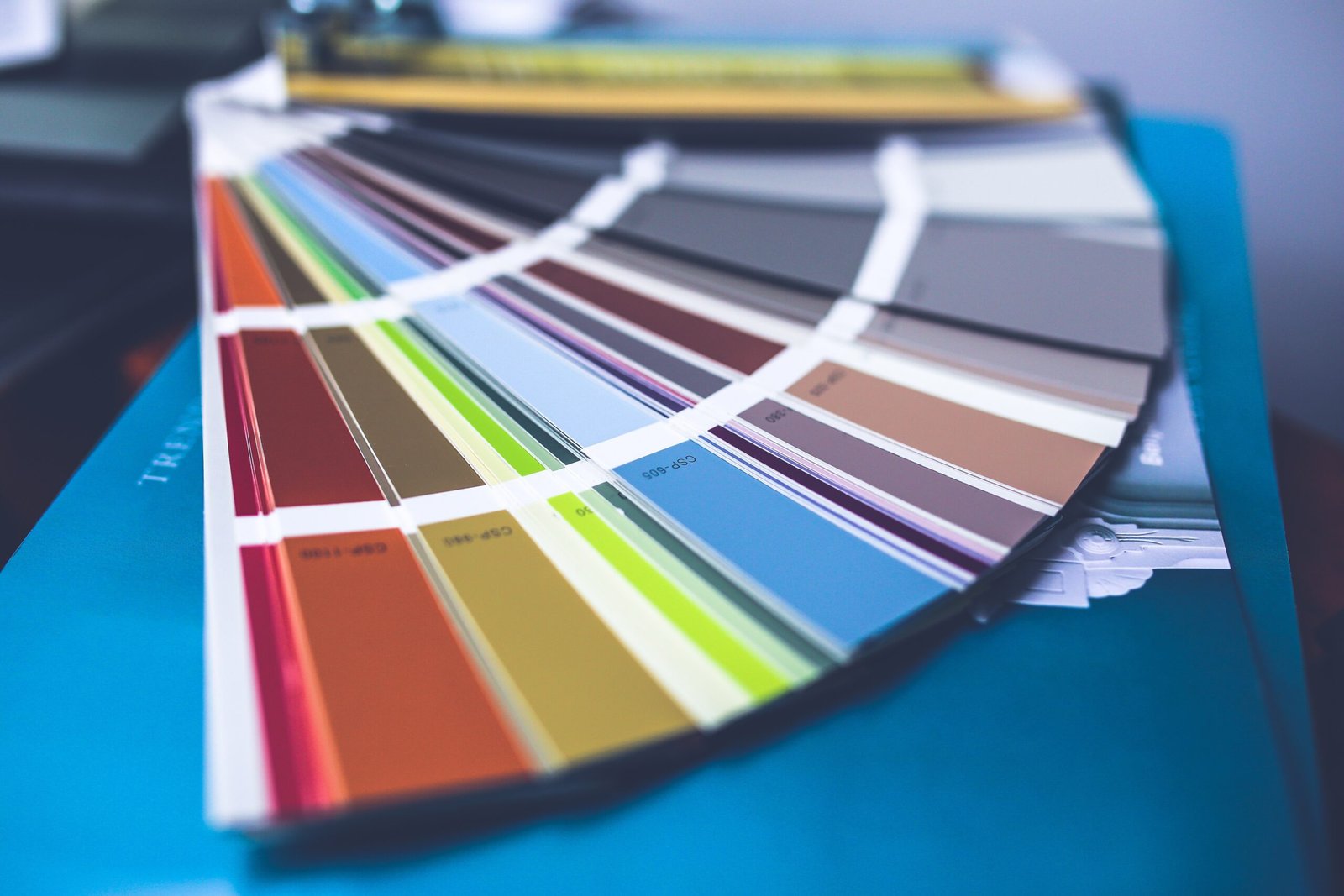
A specific, practical piece of guidance worth adopting directly: choose one dominant warm color, one neutral, and one accent shade, rather than mixing an unlimited number of colors alongside your materials. This constraint does real work — it keeps a genuinely material-rich room, with wood, stone, metal, and textiles all present, from tipping into visual overload, since the materials themselves are already providing significant textural complexity on their own.
Warm, nature-inspired color palettes — soft clay, muted terracotta, olive, taupe, ochre — are specifically noted as pairing beautifully with masonry’s organic texture in 2026, supporting a broader “warm minimalism” movement that blends stone, brick, wood, and textured fabric into interiors that feel calm and grounded rather than sparse or cold.
Where This Goes Wrong: The Failure Patterns Worth Actually Avoiding
- Giving wood, metal, and stone genuinely equal visual weight in the same room, rather than establishing one clear lead material with the other two in supporting roles.
- Matching every wood tone throughout a space so closely that the room reads as flat, rather than allowing grain and texture variation to create intentional depth.
- Using more than three metal finishes in one space, which tips a deliberately curated mix into visual noise rather than character.
- Treating stone purely as a rustic, traditional material rather than deliberately pairing it with a genuinely modern element like glass, steel, or smooth plaster.
- Mixing an unlimited range of colors alongside an already material-rich palette, rather than anchoring the room around one dominant warm tone, one neutral, and a single accent shade.
Bringing Old and New Together Within the Mix
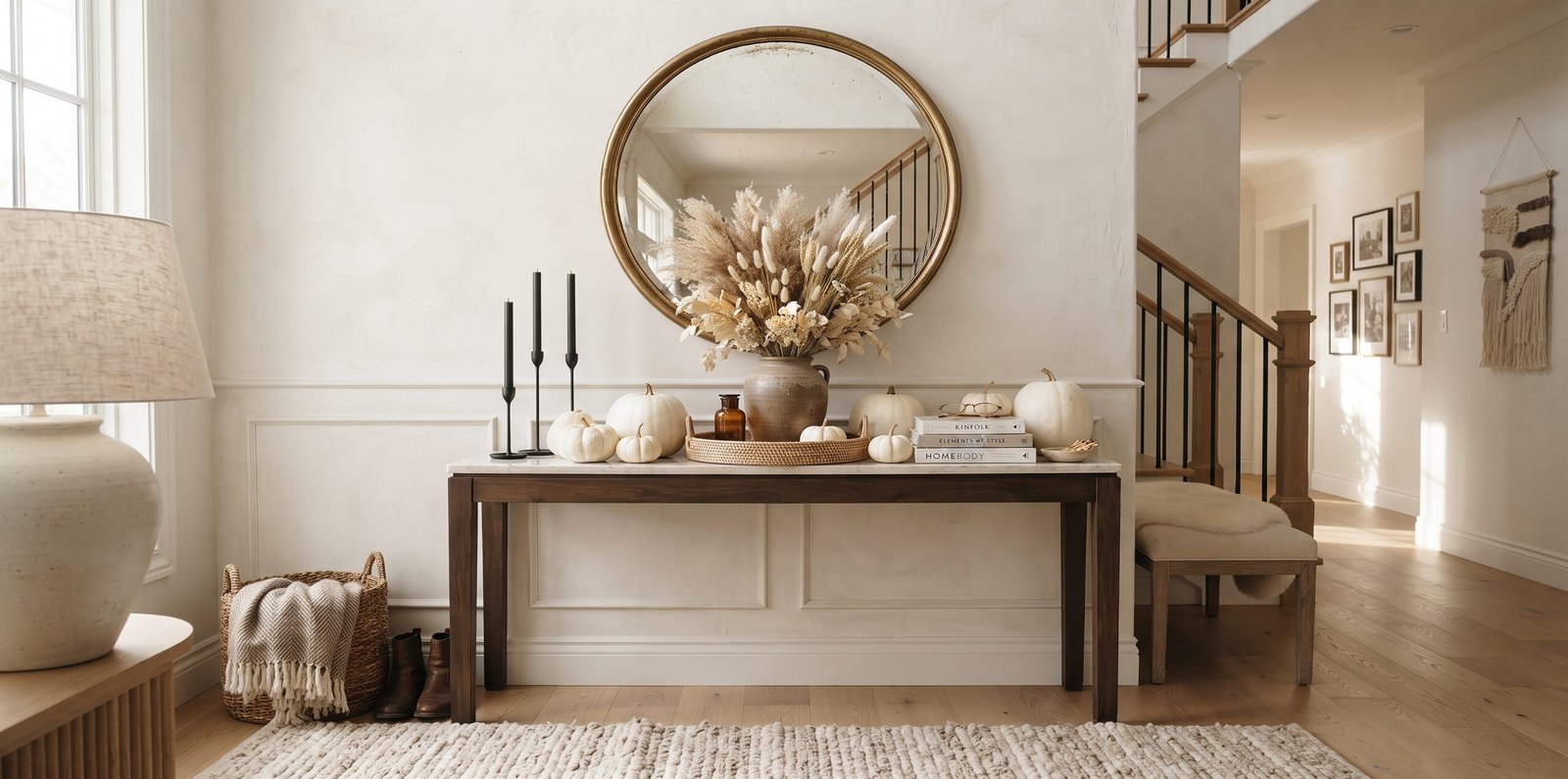
One of the more distinctive 2026 threads within material mixing is the deliberate combination of old and new — pairing a crisp, genuinely modern kitchen with a moody antique painting, or styling a contemporary living room around a noticeably timeworn vintage rug. The specific appeal is contrast: it adds a sense of soul, patina, and history that makes a space feel personal and curated rather than showroom-perfect. A practical way to apply this without it feeling forced: add one standout vintage moment — an antique painting above a sleek, minimal console, for instance — rather than distributing vintage elements evenly and diluting the effect throughout the room.
What Should You Actually Do With This?
Before buying anything new, identify which material is already structurally dominant in your space — likely your flooring or a major furniture piece — and deliberately build the other two materials around it in smaller doses, rather than shopping for wood, metal, and stone pieces as separate, equal-weight decisions. If you’re specifically working with metal finishes, commit to a maximum of two or three tones across the whole room and stick to it, since that’s the specific range experts point to as the difference between an intentional mix and visual clutter. And resist the instinct to color-match every wood piece in a room — instead, let genuine variation in grain and texture do the work of making mismatched wood tones feel like a deliberate, collected choice rather than an accidental one.
Frequently Asked Questions
Do wood, metal, and stone all need to be used in equal amounts in a room?
No — the expert-recommended approach is choosing one lead material and letting the other two play supporting roles in smaller doses. A room where all three compete for equal visual weight tends to read as cluttered rather than intentional, regardless of how attractive each individual material choice is.
Is mixing different wood tones actually a design mistake?
Not inherently — in fact, it’s an increasingly favored 2026 approach, as long as the different woods vary meaningfully in grain and texture, not just color. The actual mistake is combining several near-identical mid-tone woods with no textural distinction, which tends to read as an unintentional clash rather than deliberate variation.
How many different metal finishes can I mix in one room?
Design experts generally recommend sticking to two to three metal tones in a given space — common combinations include polished nickel with antique brass, or matte black with chrome. Beyond that range, a mixed-metal look tends to tip from intentional and curated into visually noisy.
Why does stone paired with modern materials like glass or steel work so well?
Because the contrast between stone’s traditional, organic texture and a distinctly modern material creates a genuine blend of old and new, which reads as more layered and considered than committing fully to either a purely rustic or purely sleek-modern direction on its own.
What’s the easiest way to start mixing materials without it looking chaotic?
Anchor the room’s color scheme first — one dominant warm tone, one neutral, and a single accent shade — before introducing multiple materials, since that color constraint keeps an already texturally rich mix of wood, metal, and stone from tipping into visual overload.
The Bottom Line
Mixing wood, metal, and stone like a designer isn’t about owning better materials — it’s about applying a specific set of constraints: one lead material rather than three competing ones, genuine textural variation rather than exact matching, a capped number of metal finishes, and a tightly limited color palette holding the whole mix together. The rooms that feel effortlessly collected almost always follow this logic somewhere underneath the surface, even when the end result looks relaxed and unplanned. The materials themselves were never really the hard part — the restraint around how they’re combined is.