Most guest rooms send an accidental message: a leftover bed, a dresser drawer that sticks, maybe a stack of old magazines nobody’s touched in years. It’s the room equivalent of “we didn’t really plan for you.” Hospitality researchers have found that guests form a first impression of a space within just seven seconds of entering it — which means the room is communicating something to your guest almost instantly, whether or not you intended a message at all.
This isn’t about spending a fortune or redecorating from scratch. It’s about a handful of specific, research-backed choices — in lighting, texture, scent, and small functional details — that separate a room guests tolerate from one they genuinely settle into.
Why the Details Matter More Than the Furniture
A beautiful guest room doesn’t happen by accident — it results from intentional choices about color, furniture, layout, and finishing touches, not from any single expensive purchase. That’s genuinely good news for anyone without a full renovation budget: designers consistently point out that a few mindful, low-cost additions can make even a basic guest room feel like a boutique hotel room, and that this kind of thoughtful hospitality is exactly what guests remember and appreciate, regardless of the room’s size or starting point.
The professional hospitality industry backs this up with real research, not just decorating intuition. Data on biophilic design — incorporating natural elements like wood, stone, and plants into interior spaces — shows guests spend measurably more time in spaces designed this way, and rooms with a genuine connection to nature can command meaningfully higher value in commercial hospitality settings. The underlying principle translates directly to a home guest room: natural materials and living plants create a subconscious sense of calm and safety that guests register almost immediately, even if they couldn’t articulate exactly why the room feels welcoming.
Get the Bed Right Before Anything Else
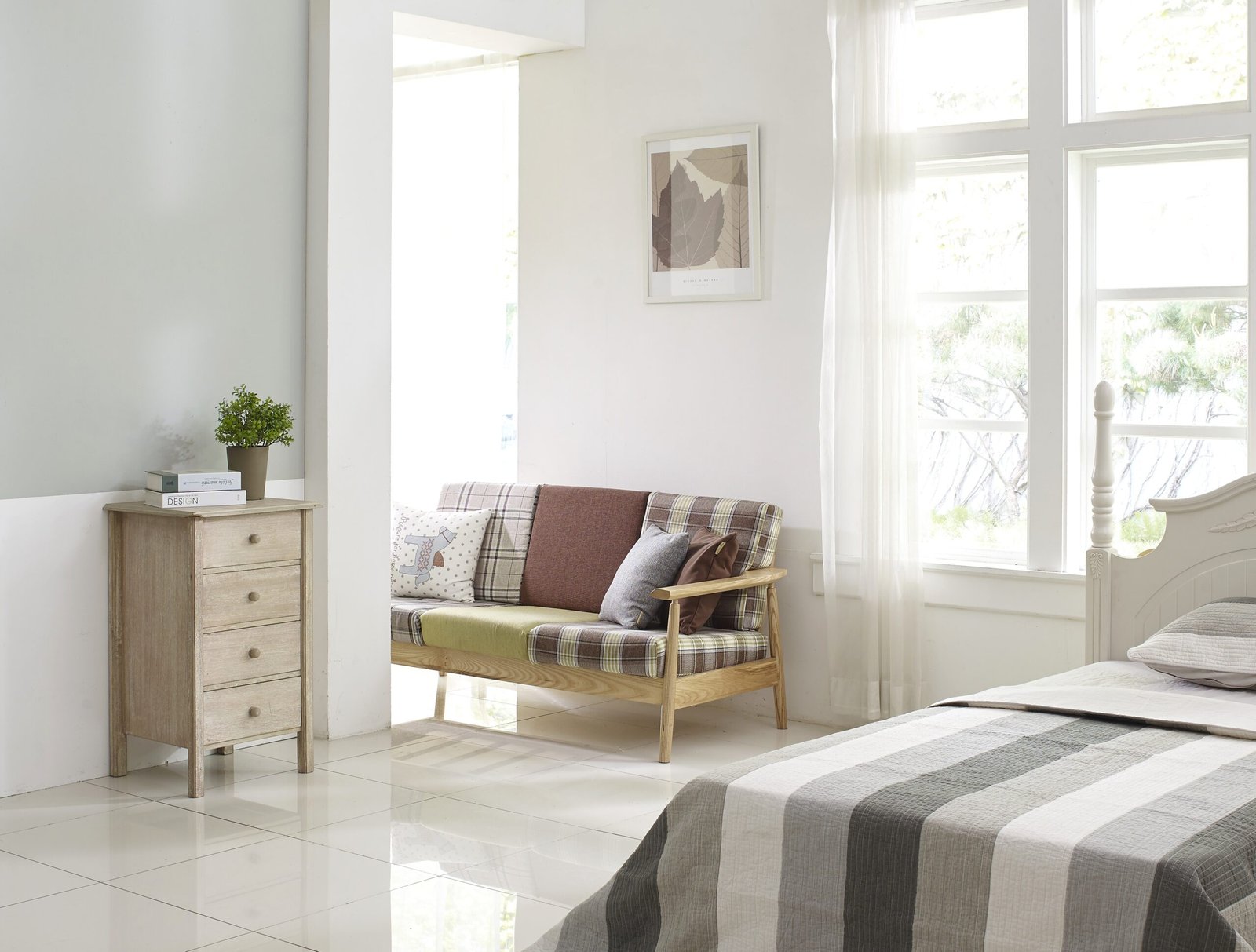
If there’s one place to actually spend money, it’s here. Invest in a comfortable mattress and layer the bed with soft, breathable cotton sheets and a plush duvet — a genuinely comfortable bed does more to make an overnight stay feel restful than any decorative choice elsewhere in the room. Warm neutrals are dominating guest room palettes in 2026 specifically because they read as calming rather than sterile — soft beige, muted taupe, and warm gray create a serene environment that helps guests relax more quickly than starker, colder tones tend to.
A simple but genuinely effective styling guideline worth borrowing: the 3-4-5 rule, which combines three patterns, four design styles, and five colors or textures in a room to create visual balance without either chaos or an overly sterile, matched-set feeling. It’s a useful check if a guest room currently reads as either too bare or too busy — the rule gives you a concrete target rather than a vague sense that “something’s off.”
Lighting Is the Most Underrated Comfort Lever in the Room
Lighting is arguably the most overlooked element of guest room comfort, and hospitality research increasingly treats it as a genuine wellness feature rather than a purely aesthetic one. Circadian lighting — fixtures or bulbs that shift color temperature to mirror the sun’s natural progression, cooler and more energizing during the day, warm and amber-toned in the evening — has been shown to meaningfully improve sleep quality and overall guest satisfaction in commercial hospitality settings, and the same principle scales down easily to a home guest room with modern smart bulbs.
Even without smart lighting, layered light sources — an overhead fixture, a bedside lamp, and something softer like a small accent or string light — give a guest actual control over the room’s mood rather than forcing a single harsh overhead option, which is often the biggest lighting mistake in guest rooms that otherwise look well put together.
Small, Specific Touches That Consistently Register With Guests
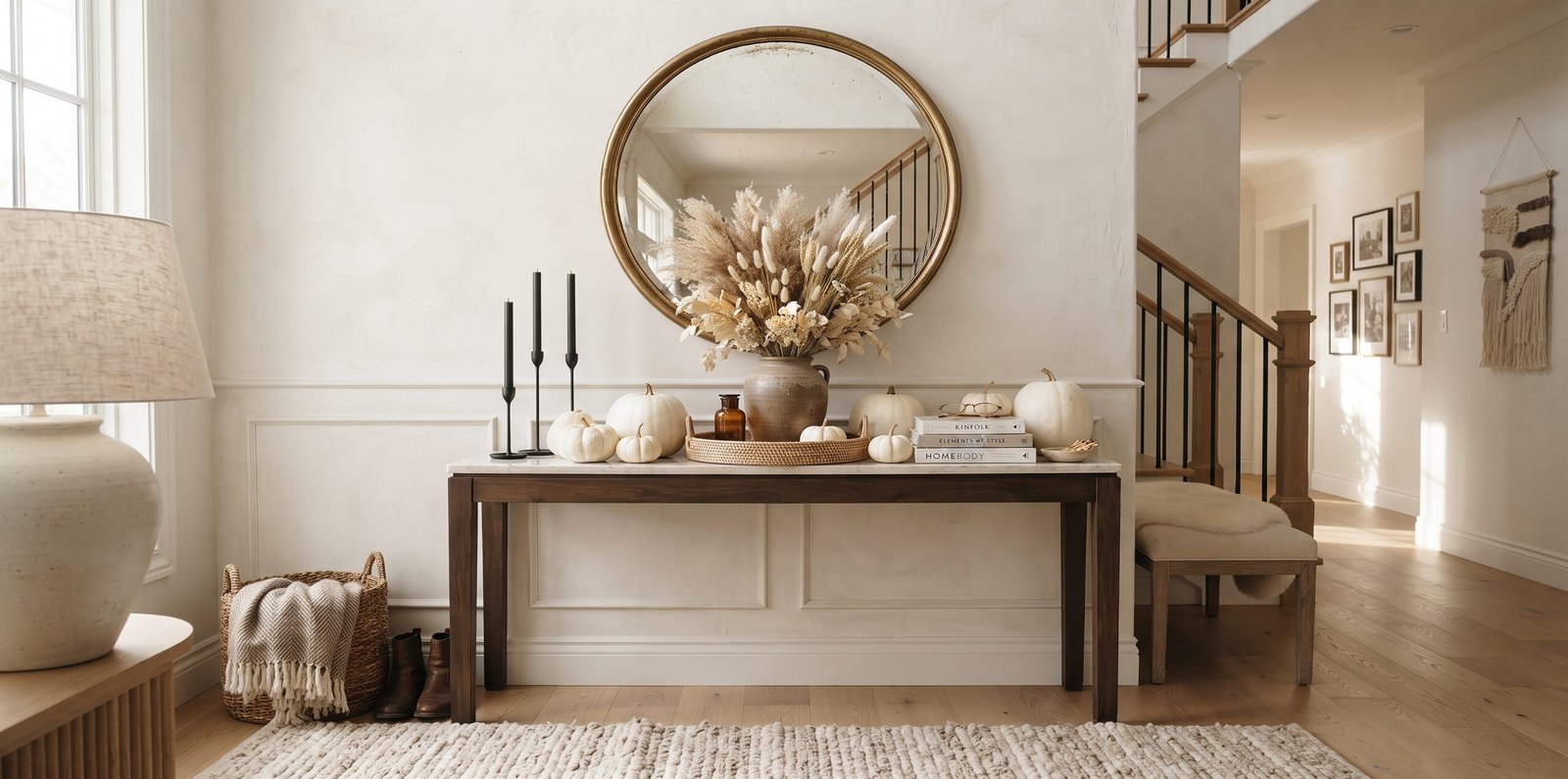
Across hospitality and design research alike, the same category of small gestures keeps coming up as genuinely impactful, disproportionate to their cost: fresh flowers or a small live plant, a curated stack of two or three books rather than a generic pile, a simple tray on the dresser with essentials like a candle, a notepad, and a phone charger, and a few extra towels hung within easy reach rather than tucked away in a closet the guest has to search for.
These details work specifically because they reflect a level of care and hospitality that guests genuinely notice and remember, even when each individual item costs very little. The cumulative effect matters more than any single object — it’s the pattern of small, considered choices, not one showpiece item, that actually shifts how a room feels to walk into.
A phone charger is a bigger deal than it sounds
It’s a small, almost mundane detail, but a visible, easily accessible charging setup on the nightstand removes one of the most common small frictions of an overnight stay — hunting for an outlet or fumbling with an unfamiliar cord in an unfamiliar room. Removing that kind of tiny friction is exactly the kind of “ambient friction” reduction that hospitality design increasingly treats as a genuine comfort feature, not an afterthought.
Design for Whoever Actually Stays With You, Not a Show Room
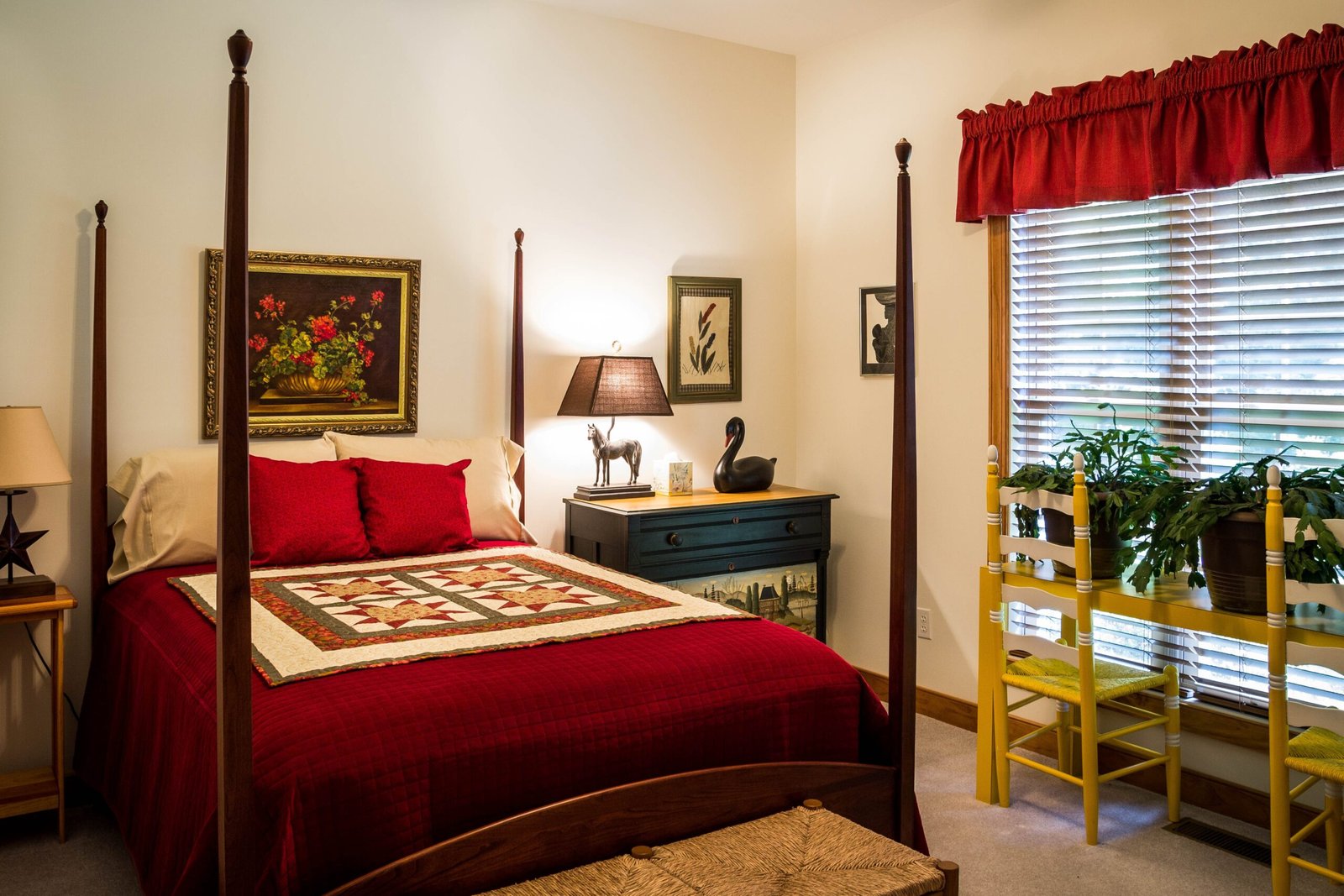
One of the more counterintuitive pieces of advice from experienced designers: unless you know your typical guest type well, steer away from bold, highly specific themes and lean toward a broadly appealing, neutral, and adaptable space instead. A guest room that has to accommodate a young friend, an elderly relative, a visiting cousin, or a guest working remotely for a few days benefits far more from flexible bedding, accessible storage, and calm, minimal personality than from a strongly themed design that might not suit every visitor equally.
This isn’t an argument for a bland or characterless room — it’s an argument for character that doesn’t get in anyone’s way. A room that feels clean, calm, and easy to settle into, even if simple, consistently outperforms a more elaborately themed room in practice, because guests rarely complain about simplicity done well, but they do notice when a room’s aesthetic choices actively work against their comfort.
Adapt to your actual climate, not a generic trend list
Global design trends are a useful starting point, but genuinely thoughtful hosting means adapting them to local reality: breathable linens, light curtains, and a ceiling or portable fan matter far more in a hot climate than whatever’s trending nationally, while heavier blankets, warmer rugs, and thicker curtains matter more in a cold one. A guest room that “just works” for your specific climate and season will consistently be appreciated more than one that simply follows a trend list without adjustment.
What to Actually Prioritize If You’re Starting From Nothing
- A genuinely comfortable mattress and quality bedding — this single investment affects sleep quality more than any other choice in the room.
- Layered lighting with at least one warm, adjustable source beyond a harsh overhead fixture.
- A small dresser tray with practical essentials: phone charger, a candle, a notepad, and a glass or water carafe.
- Flexible, breathable bedding suited to your actual regional climate rather than a generic trend photo.
- A few natural, living elements — even a single healthy plant — rather than exclusively artificial decor.
- Accessible, visible storage and extra towels, so a guest never has to ask where something is or search through closets.
What Should You Actually Do With This?
Start with the bed and lighting before anything decorative — these two elements affect actual physical comfort and sleep quality, which matters more to how a stay is remembered than any styling choice. If your guest room currently leans heavily themed or highly personal, consider whether it would serve a wider range of visitors better as a calmer, more neutral space, especially if you regularly host different types of guests rather than the same person repeatedly. And walk into the room yourself, as if arriving for the first time, and time how long it takes to spot a place to charge a phone, find an extra towel, or locate a light switch — those small frictions are exactly what separates a room guests merely sleep in from one they actually feel cared for in.
Frequently Asked Questions
What’s the single most impactful thing I can do to improve a guest room on a small budget?
Upgrading the bedding — breathable cotton sheets and a plush duvet — tends to have the most direct impact on how comfortable and rested a guest actually feels, and it’s typically far less expensive than replacing furniture or repainting. Small additions like a phone charger, a candle, and fresh flowers on a tray round out the effect at very low additional cost.
Should a guest room have a strong decorating theme?
Generally, no, unless you’re confident about who’s typically staying in it. Designers commonly recommend a neutral, adaptable design over a bold, highly specific theme, since it comfortably accommodates a wider range of guests — from young friends to elderly relatives — without anyone feeling like the space wasn’t really designed with them in mind.
Does lighting actually make a measurable difference in how a guest room feels?
Yes — it’s considered one of the most overlooked elements of guest room comfort. Circadian-style lighting, which shifts from cooler tones to warm amber in the evening, has been shown in hospitality research to meaningfully improve sleep quality and satisfaction, and even simple layered lighting (rather than one harsh overhead fixture) gives guests real control over the room’s mood.
Is it worth adding plants or natural materials to a guest room?
Genuinely, yes — biophilic design research shows a measurable comfort and even commercial value benefit from incorporating natural materials and living plants into a space, and the same underlying psychological effect — a subconscious sense of calm and safety — applies just as much to a home guest room as it does to a hotel room.
How do I know if my guest room decor is too cluttered or too bare?
The 3-4-5 styling rule is a useful practical check: aim for roughly three patterns, four design styles, and five colors or textures in the room. If it feels chaotic, you’re likely over that mix; if it feels sterile or forgettable, you’re likely under it.
The Bottom Line
A guest room that says “stay awhile” isn’t the product of an expensive renovation — it’s the product of a handful of specific, intentional choices: a genuinely comfortable bed, layered and adjustable lighting, small functional touches that remove friction, and a design broad enough to welcome whoever actually walks through the door. Guests form their impression of a space within seconds of entering it, but what they actually remember afterward is whether the room made them feel thought of. That’s not a matter of budget — it’s a matter of attention.